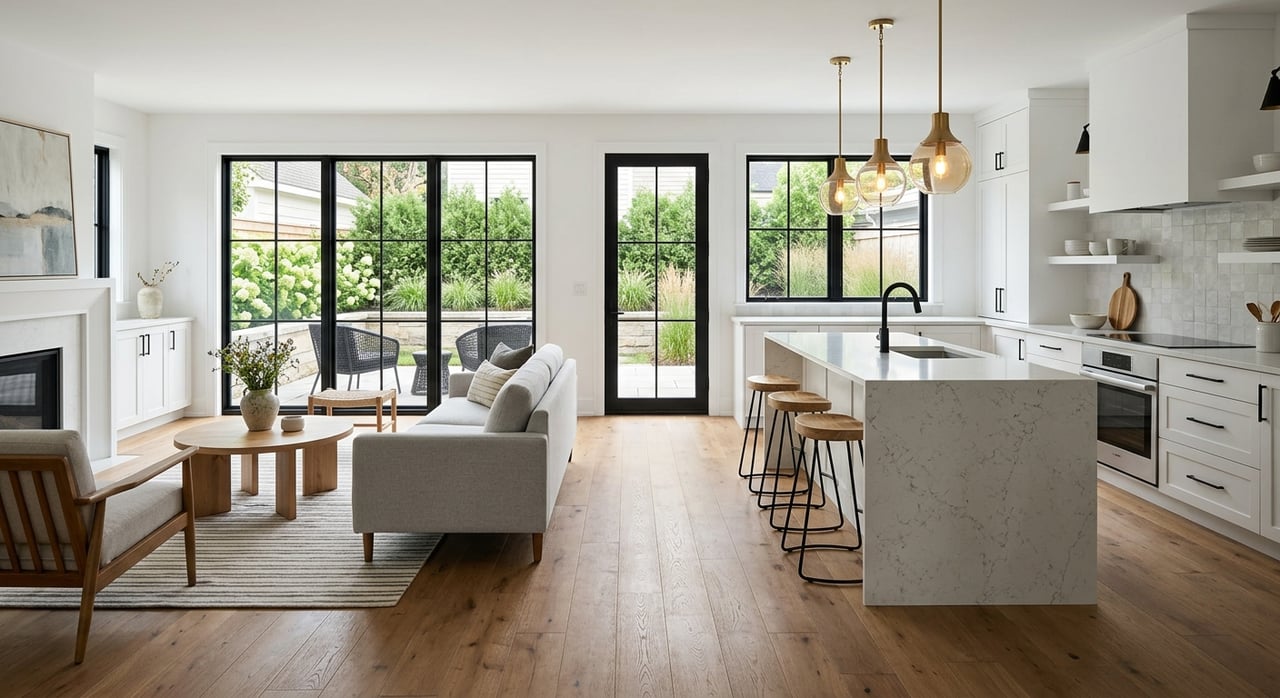
If your Omaha home hits the market looking crowded, dark, or overly personalized, buyers may scroll past before they ever book a showing. In a market where homes can still move quickly, presentation matters because buyers compare everything online first and form impressions fast. The good news is that thoughtful staging does not have to mean a full redesign. It means making your home easier to photograph, easier to tour, and easier for buyers to picture as their own. Let’s dive in.
Why staging matters in Omaha
Omaha’s housing market remains active, but that does not mean sellers can skip the prep work. Recent data from Redfin’s Omaha housing market tracker reported a February 2026 median sale price of $285,618 and a median of 40 days on market, while Zillow’s Omaha home value data showed an average home value of $294,189 as of March 31, 2026, with homes pending in about 21 days. Different metrics tell the same story: buyers are active, but strong presentation still helps a listing compete.
National research supports that point. According to the National Association of Realtors 2025 staging report, 49% of sellers’ agents said staging reduced time on market, and 29% said staged homes saw a 1% to 10% boost in offered value. Buyers’ agents also said staging helps buyers picture the home as their own, which is exactly what you want when your home goes live.
Focus on the rooms buyers notice first
If you are deciding where to spend time and money, start with the spaces that carry the most weight. NAR found that buyers care most about the living room, primary bedroom, and kitchen. Those rooms shape how your listing feels in photos and in person.
That means you do not need to stage every single room to make an impact. A smart plan often gives the most attention to the rooms buyers value most, while keeping secondary spaces clean, simple, and functional. If your budget is limited, prioritize visibility and first impressions over perfection everywhere.
Stage the living room for openness
Your living room often sets the tone for the entire showing. Buyers want to understand how the room functions, how furniture fits, and whether the space feels comfortable and open. If the room is packed with oversized furniture or too many accessories, it can feel smaller than it really is.
Pull back on extra chairs, side tables, and decor so the room can breathe. Arrange furniture to show a clear walking path and natural conversation area. The goal is not to fill every corner. The goal is to show scale and flow.
Keep the primary bedroom calm
The primary bedroom should feel restful and uncluttered. Heavy patterns, personal photos, and too much furniture can distract from the size and function of the room. Buyers respond better when the space feels simple, neutral, and easy to imagine as their own.
Soft bedding, clean nightstands, and a pared-down dresser surface can make a big difference. If the room feels tight, removing one piece of furniture may help more than adding decorative touches. A calm room almost always reads better in listing photos.
Simplify the kitchen visually
You do not need a fully remodeled kitchen to improve presentation. What buyers often notice first is whether the kitchen feels bright, clean, and usable. Clear countertops, clean surfaces, and minimal small appliances can instantly create a more polished look.
If you keep anything out, choose just a few intentional items. A simple bowl of fruit or one coffee setup can work better than crowded counters. Since kitchens are one of the most important spaces to buyers, visual simplicity goes a long way.
Declutter before you decorate
One of the most effective staging strategies is also one of the most practical. The NAR consumer guide to marketing your home notes that cleaning and decluttering windows, carpets, lighting fixtures, and walls can make a meaningful difference. Before you buy anything new, edit what is already in the home.
Decluttering helps rooms feel larger and cleaner, and it also helps buyers focus on the home instead of your belongings. Depersonalizing serves the same purpose. Family photos, bold collections, and highly specific decor choices can make it harder for buyers to mentally move in.
A simple decluttering checklist can help:
- Clear kitchen and bathroom counters
- Remove excess furniture from main living areas
- Pack away personal photos and collections
- Clean windows, walls, carpets, and light fixtures
- Organize closets so they look spacious, not stuffed
- Store pet items when possible during photos and showings
Choose neutral colors that photograph well
Paint can be one of the highest-impact updates before listing, especially if your current colors feel dated or overly bold. NAR’s 2025 paint color guidance found that stagers favored soft warm whites in living rooms, warm neutrals in bedrooms, and off-white for exterior siding. Bright or highly specific colors were viewed as less helpful for resale.
For most Omaha sellers, the best places to update are the main living areas, primary bedroom walls, and possibly the front door or entry if it hurts first impressions. Neutral paint can brighten a room, reflect light better, and create a cleaner backdrop for photos. It is not about making your home look bland. It is about making it broadly appealing.
Make furniture placement work harder
Staging is not just about what you remove. It is also about how you arrange what stays. In homes with smaller rooms, unusual layouts, or bulky furniture, placement can affect whether a room feels functional or awkward.
Try to create clear walkways and leave enough open floor area for the room to feel easy to move through. Float furniture only if the room supports it, and avoid pushing too many pieces against every wall if that makes the layout feel cluttered. If a room is hard to read, a staging consult can help you decide whether to rearrange, remove, or replace pieces before photos.
Boost curb appeal for Omaha seasons
First impressions start before buyers step inside. NAR defines curb appeal as the street-facing look of the home, and even simple updates can improve that first impression. In Omaha, weather makes seasonal prep especially important.
According to NOAA climate data for Omaha, the city has a continental climate with warm summers, cold dry winters, and most annual precipitation falling from April through September. That means sellers should pay close attention to the entry, walkway, and exterior condition throughout the year.
Winter staging tips
In colder months, focus on safety and cleanliness first. Clear walkways, remove snow or ice when needed, and make sure the porch and entry are dry and tidy. Since winter offers less natural light, bright interior photos and clean windows become even more important.
Spring and summer staging tips
During warmer months, keep landscaping neat and simple. Trim shrubs, sweep the porch, and make sure beds look maintained rather than overgrown. A clean, cared-for exterior helps buyers feel confident before they even reach the front door.
Match staging to your budget
Not every Omaha listing needs full-service staging. The NAR staging report found the median cost for a staging service was $1,500, compared with $500 when the seller’s agent handled staging themselves. That gap matters if you are trying to spend wisely before listing.
The right approach depends on your home’s condition, layout, and price point. Some homes benefit from a full staging plan, while others only need decluttering, light paint updates, and a photo-ready setup. A strategic consult can help you avoid overspending in the wrong places.
If you want to prioritize smartly, this is usually the best order:
- Clean and declutter
- Repaint the most visible rooms in neutral tones
- Improve furniture flow in the living room, primary bedroom, and kitchen
- Finish with curb appeal and entry presentation
Staging supports your full marketing plan
Staging works best when it is part of a larger listing strategy. NAR notes that marketing a home can include staging, professional photography, social media, signage, open houses, and MLS exposure, and buyers’ agents ranked photos, videos, and virtual tours among the most important listing tools. In other words, staging is not just about in-person showings. It helps your home perform better online too.
That matters because many buyers see your home for the first time on a screen. If a room looks dark, crowded, or confusing in photos, they may never take the next step. Clean staging helps every part of the marketing process work harder.
When you are ready to sell, thoughtful prep can help your home feel polished without feeling overdone. If you want expert guidance on what will make the biggest difference before your home hits the market, connect with Mamie Jackson for a concierge-style plan tailored to your goals.
FAQs
What staging strategies help Omaha homes sell faster?
- The most effective Omaha staging strategies usually include cleaning and decluttering, using neutral paint colors, improving furniture layout in the living room, primary bedroom, and kitchen, and boosting curb appeal based on the season.
Is home staging worth it for Omaha sellers?
- National Association of Realtors research found that many sellers’ agents saw staged homes spend less time on the market, and some reported a 1% to 10% increase in offered value.
Which rooms should Omaha sellers stage first?
- Omaha sellers should usually prioritize the living room, primary bedroom, and kitchen because NAR research found those rooms matter most to buyers.
How much does home staging cost before listing a home?
- NAR reported a median cost of $1,500 for a staging service and $500 when the seller’s agent handled staging, though the right level of staging depends on the home and listing strategy.
What paint colors work best when staging an Omaha home?
- Soft warm whites, warm neutrals, and off-white tones tend to work best because they make spaces feel brighter, cleaner, and easier for buyers to picture as their own.
How should Omaha homeowners handle curb appeal in winter?
- In winter, focus on clear walkways, a dry and tidy entry, clean windows, and exterior lighting so buyers have a safe and positive first impression despite colder weather.
