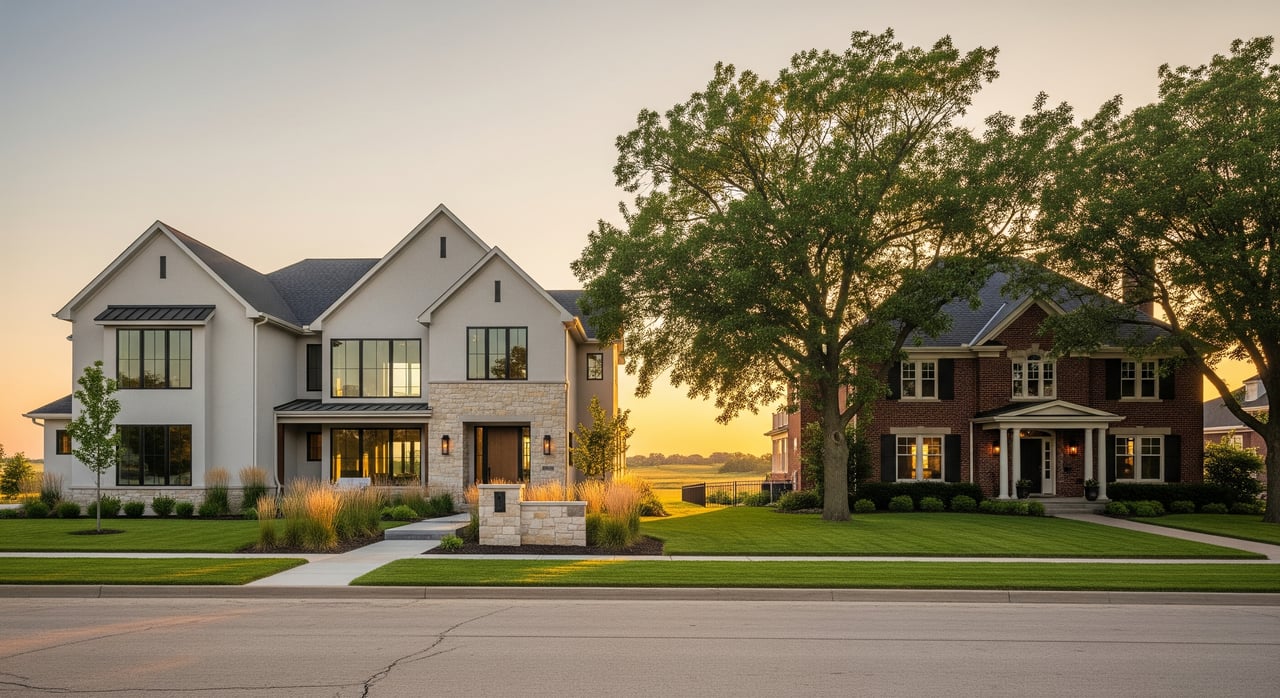
Torn between the excitement of a brand-new home and the character of an established one in Gretna? You are not alone. As a move-up buyer, your choice will shape your budget, timeline, and day-to-day life for years. In this guide, you will compare new construction and resale homes side by side for Gretna and greater Sarpy County, including timelines, warranties, HOAs, financing, inspections, and total cost of ownership. You will also get practical checklists and a simple decision framework so you can move forward with confidence. Let’s dive in.
Gretna market context you should know
Gretna and Sarpy County continue to see residential growth and active subdivision development. That can be good news if you want new-home options, but it also means change. New neighborhoods can shift traffic patterns, school attendance zones, and the timing of municipal services like sidewalks and utilities.
Before you decide, verify key details with local sources such as the City of Gretna Planning Department, Sarpy County Assessor, and Gretna Public Schools. Ask your agent to check local MLS data to understand the current balance of new-home supply and resale inventory. When new-home supply is abundant, builders may offer incentives; when resale inventory is tight, move-in ready homes can sell quickly.
Timeline: how soon can you move?
New construction timeline
New builds follow a series of phases: lot selection, contract and design selections, construction, inspections and walk-through, then closing. Ground-up builds can take several months, and delays from weather or subcontractor schedules are common. Some builders offer quick move-in inventory, which can shorten your timeline.
Ask for a written schedule with milestone dates and clear policies for extensions or penalties. You will also have selection windows for finishes and upgrades, so plan for those deadlines.
Resale timeline
Most resale transactions close in 30 to 60 days once you go under contract. Vacant or well-prepared homes can close even faster. Your pacing depends on inspection results, appraisal timing, and your financing type.
Bottom line: Resale typically wins on speed. New construction wins on customization but requires patience.
Warranties and post-closing protection
New construction warranties
Many builders offer tiered coverage. A typical structure includes one year for workmanship and defects, a few years for major systems, and longer coverage for structural components, often through a third-party provider. Confirm what is covered, exclusions, deductibles, how to file claims, and whether the warranty is transferable.
Document the punch list process before closing and confirm response timelines in writing. Keep copies of all manuals and warranty contacts.
Resale protection
Resale homes do not come with builder warranties. You will rely on inspection findings and negotiated repairs or credits. You can purchase a home warranty at closing for one year of coverage on certain systems and appliances. Read the plan carefully to understand limits and service fees.
Bottom line: New builds offer a defined warranty pathway. Resales rely on inspections and negotiations, with optional warranty plans.
Lot and location tradeoffs
New subdivisions
Pros include the ability to choose lot orientation, enjoy newer infrastructure, and often start with a clean landscape plan. Expect lot premiums for features such as corner positions, walkout basements, or backing to open space. Early phases can have fewer mature trees and evolving neighborhood character as later phases develop.
Established neighborhoods
Pros include mature landscaping, known traffic patterns, and the feel of an established community. You may find larger or more unique lots. Cons can include older utilities or infrastructure and potential yard or exterior updates.
In Gretna, consider growth corridors, commute routes into Omaha, school attendance boundaries, and proximity to parks and shopping. If lot privacy and mature trees matter most, resale may be your best fit. If choosing a specific orientation or elevation is key, lean new.
HOA and covenants
New developments
New HOAs often start with basic budgets and limited reserve studies. Dues and services can change as the neighborhood matures. Review CC&Rs, design guidelines, and architectural review processes. Check for special assessment clauses and how amenities are funded.
Established HOAs
You can review past budgets, meeting minutes, any history of special assessments, and reserve funding levels. This history helps you anticipate future dues or maintenance projects.
Tip: Ask for current dues, services covered, rules that may affect your lifestyle, and any planned changes that could increase costs.
Total cost of ownership in Gretna
Purchase price is only one piece of the puzzle. Your 10-year cost picture should include:
- Property taxes. New construction assessments can rise once improvements are finalized. Verify current tax rates with the Sarpy County Assessor.
- Homeowner’s insurance. Newer systems may help premiums, but compare quotes for each property.
- Utilities and efficiency. New homes may offer energy-saving features. Ask for builder energy specs or performance ratings if available.
- HOA dues and assessments. Include current dues plus a conservative estimate for possible increases.
- Maintenance and replacements. Older homes may need near-term capital items like roof, HVAC, or windows. New homes still require routine care and eventual replacements.
- Landscaping and exterior costs. New builds may need fencing, trees, and outdoor upgrades not included in the base price.
- Upgrades and customization. Choices at the design center can add to your mortgage if financed. Deferred upgrades may affect resale.
Build your 10-year TCO worksheet
- Create two columns, one for a representative new build and one for a comparable resale in Gretna.
- Add line items for price, closing costs, first full year property tax, HOA dues, average utilities, routine maintenance, capital replacements, and planned upgrades.
- Use conservative estimates for big-ticket items at 5, 10, and 20-year marks. Roofs often last 15 to 25 years. Major systems typically last 10 to 20 years.
- Total each year for 10 years, then compare the cumulative cost. Let the math inform your choice, not just the initial list price.
Financing differences and lender considerations
New construction
You may use a construction-to-permanent loan or the builder’s preferred lender. Construction loans often require larger down payments, draw schedules, and inspections before funds are released. Builders sometimes offer incentives or rate buydowns tied to using a preferred lender. Compare the full offer, not just the headline rate.
Resale
Standard mortgage products such as conventional, FHA, and VA are common with predictable timelines. Appraisals often have more comparable sales to rely on. With new construction, appraisers may use cost approaches or a limited set of comparable new homes.
Contracts and contingencies
Builder contracts can have different contingency structures and limited negotiation room. Read inspection, financing, and cancellation terms closely. For resale, traditional contracts usually include standard contingencies for inspection and financing.
Inspections and condition
New construction
Even brand-new homes benefit from independent inspections. Consider a pre-drywall inspection, mechanical and systems checks, and a final inspection just before the warranty walk-through. Document issues in writing and track completion deadlines.
Resale
Order a comprehensive home inspection and add specialized inspections based on property type and condition, such as pest, radon, roof, or foundation. Use findings to negotiate repairs or credits before closing.
Tip: Choose an inspector who understands local building practices, soil conditions, and common regional issues that affect drainage and foundations.
A simple decision framework
Step 1: Clarify priorities
Rank what matters most: speed to move-in, customization, lot and yard features, low maintenance, or budget flexibility for upgrades.
Step 2: Quantify the costs
Use the 10-year TCO worksheet for one new build and one resale that both meet your needs. Compare apples to apples using identical metrics.
Step 3: Assess risk
For new construction, review builder reputation, warranty scope, lot drainage, and adjacent planned phases. For resale, focus on hidden condition risks, permits for past renovations, and neighborhood trends.
Step 4: Consider lifestyle
Think about commute routes, proximity to everyday amenities, school attendance zones, and the feel of the street. Choose the option that supports your daily routines and long-term goals.
Decision examples
- If speed and minimal immediate maintenance top your list, consider a quick move-in new home or a move-in ready resale.
- If customization and lot choice matter most, build new.
- If mature landscaping and known neighborhood character are priorities, target established resale areas.
Touring checklists
New construction tour checklist
- Builder credentials. Years in business, local homes completed, warranty provider, and recent references.
- Contract clarity. What is included, allowances for finishes, selection deadlines, change-order pricing, extension or liquidated damages clauses.
- Lot details. Drainage, grade, utility easements, setbacks, and nearby future phases.
- Construction quality. Framing materials, insulation R-values, window ratings, HVAC brand and size, water heater type, exterior materials and flashings.
- Energy information. Any HERS index, energy audits, or certifications if available.
- Warranty paperwork. Full terms, claim process, response timelines, and transferability.
- HOA documents. Preliminary covenants, estimated dues, and planned amenities.
- Cost add-ons. Garage finish, driveway, and landscaping inclusions. Get a written “what’s included” list.
Resale tour checklist
- Structure and systems. Age and condition of roof, HVAC, water heater, electrical panel, and plumbing.
- Lot and drainage. Signs of pooled water, grading toward the street, retaining walls, and historical drainage fixes.
- Neighborhood context. Traffic patterns, street maintenance, and a sense of noise or nuisance history.
- Permits and updates. Request proof of permits for major work and verify quality of renovations.
- HOA review. Budgets, meeting minutes, and any recent or planned special assessments.
- Pricing reality. Ask for three to six recent comparable sales to validate list price.
Due diligence before you write an offer
- Pull the property tax history and current assessed value with the Sarpy County Assessor.
- Confirm school attendance boundaries directly with Gretna Public Schools since growth can shift lines.
- Review the plat and subdivision plan with the City of Gretna Planning Department for future roads and phases.
- Compare builder preferred lender offers with independent lenders to ensure competitive terms.
- Schedule appropriate inspections based on property type and condition.
Ready to compare your options?
Choosing between new construction and resale in Gretna is easier when you match your priorities to a clear 10-year cost picture. If you want a side-by-side walkthrough of real properties that fit your budget and timeline, along with guidance on warranties, HOAs, inspections, and local due diligence, we are here to help. Schedule your concierge consultation with Mamie Jackson and make your next move with confidence.
FAQs
How long does new construction take in Gretna?
- Ground-up builds often take several months from contract to completion. The timeline depends on weather, materials, and subcontractor scheduling. Quick move-in inventory can shorten the process.
What warranties come with a new build in Sarpy County?
- Many builders provide one year for workmanship, a few years for major systems, and longer structural coverage, often via a third-party warranty. Verify scope, exclusions, and claim procedures.
How do HOAs differ between new and established neighborhoods?
- New HOAs may start with lower dues and limited reserve studies, then adjust as the community matures. Established HOAs have history you can review, including budgets, reserves, and any past special assessments.
What should I include in a 10-year cost comparison?
- Include purchase price, closing costs, property taxes, insurance, HOA dues, utilities, routine maintenance, capital replacements, and planned upgrades or landscaping.
Do I still need inspections on a brand-new home?
- Yes. Independent inspections such as pre-drywall and final walkthrough inspections help document issues early. Even with warranties, inspections protect you and clarify expectations.
Should I use a builder’s preferred lender for new construction?
- Compare the full offer. Builder incentives can be attractive, but you should evaluate interest rate, fees, credits, and long-term cost against quotes from independent lenders.
