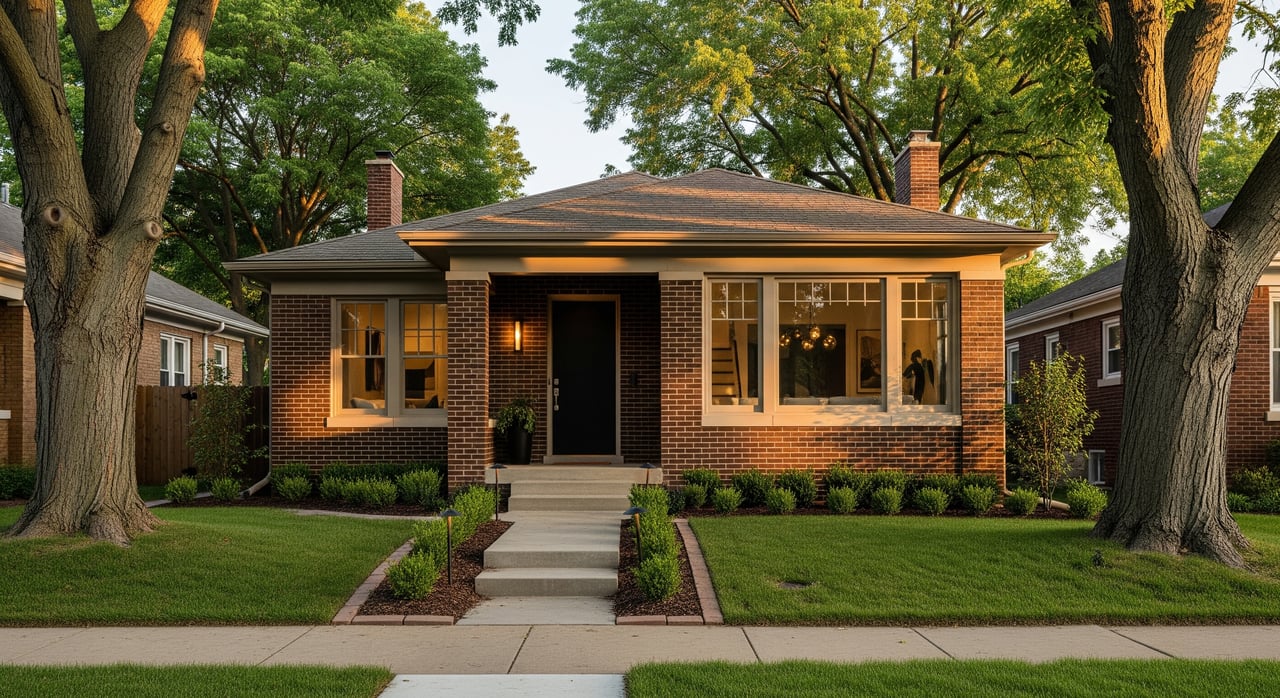
Buying your first home in Omaha can feel exciting and a little overwhelming. You might be wondering how much cash you need, which loan fits your situation, and where to find help with your down payment. You are not alone. Many Omaha buyers use first-time buyer programs to bring the goal within reach.
In this guide, you will learn how the most common programs work in Douglas County, what it takes to qualify, and how to compare lenders so you can move from browsing to pre-approval with confidence. Let’s dive in.
What “first-time buyer” means
Many programs define a first-time buyer as someone who has not owned a principal residence in the past three years. Some exceptions may apply for certain buyers or targeted neighborhoods. If you owned a home more than three years ago, you may still qualify as a first-time buyer under this definition.
Main loan options for Omaha buyers
FHA loans
FHA loans are insured by the Federal Housing Administration and are widely used by first-time buyers. You can qualify with a lower down payment, typically 3.5 percent if you meet the credit threshold. You will pay upfront and annual mortgage insurance premiums, and the rules differ from conventional PMI. To learn more about homebuying and FHA-backed options, review HUD’s overview of buying a home.
Conventional 3 percent down programs
Many conventional loans backed by Fannie Mae and Freddie Mac offer just 3 percent down for eligible buyers. Two well-known options are Fannie Mae HomeReady and Freddie Mac Home Possible. These programs may offer flexible income limits by area and have mortgage insurance that can be canceled once you reach 20 percent equity, which can reduce your long-term cost compared with FHA.
VA loans
If you are an eligible veteran, active-duty service member, or qualifying spouse, a VA loan can be a powerful path to homeownership. VA loans often require no down payment and do not require private mortgage insurance. VA occupancy and appraisal standards apply. You can review benefits and eligibility on the VA home loan page.
USDA Rural Development loans
USDA loans can offer 0 percent down for eligible properties outside urbanized areas and for households under certain income limits. Many central Omaha neighborhoods are not eligible, but some outlying parts of Douglas County may qualify. Always confirm property and income eligibility with USDA Rural Development’s Single-Family Housing programs.
Nebraska programs through NIFA
The Nebraska Investment Finance Authority (NIFA) is the state’s housing finance agency and a key resource for first-time buyers. NIFA typically offers:
- Below-market-rate first mortgages tied to bond financing
- Down payment assistance (DPA) as a second mortgage or forgivable loan
- Required homebuyer education through approved providers
- Income and purchase price limits that vary by county and sometimes by household size
NIFA works through participating lenders, and program terms can change. Confirm current program names, income and purchase price limits, and DPA structures directly on the NIFA website and with a NIFA-participating lender.
Local and nonprofit help in Omaha
Local agencies and nonprofits sometimes offer small grants, matched savings, or additional DPA that can be paired with a first mortgage. Common options include city or county programs funded by HOME or CDBG, and counseling or matched savings through community-based organizations. Many NIFA and local programs require homebuyer education. You can find approved counselors through HUD’s housing counseling resource.
Availability and funding can change. Ask your lender and agent to help you verify current offerings through the City of Omaha’s housing department and local HUD-approved counseling agencies.
Eligibility basics to know
Income and purchase price limits
Most state and local assistance programs use income limits tied to Area Median Income and set purchase price caps by county. These limits can change during the year. Your lender will confirm the right limits for Douglas County and which programs you can use.
Credit score and debt-to-income
Minimum credit scores vary. FHA tends to be more flexible, while most conventional 3 percent down options expect stronger scores. Debt-to-income limits also vary by program and by lender, and some lenders add their own requirements. If you plan to use DPA, ask about any extra underwriting rules that apply.
Property and occupancy
You must use the home as your primary residence. Single-family homes and many condos may qualify, while manufactured homes and certain condo projects can have restrictions. USDA and VA include specific property standards and area rules. Some assistance programs require an inspection or lead-based paint remediation for older homes.
Homebuyer education
NIFA and many DPA programs require an approved homebuyer education course. Complete it early because some programs need proof of completion before the application or DPA reservation.
How to choose the right program
There is no single best program for every Omaha buyer. The right fit depends on your credit, savings, income, and the home you want to buy. Compare options with at least two or three lenders, and make sure at least one participates with NIFA.
Key factors to compare across lenders:
- Program availability. Confirm the lender offers FHA, VA, USDA, HomeReady or Home Possible, and NIFA with DPA.
- Interest rate vs. APR. APR reflects total cost, including fees and mortgage insurance.
- Fees and pricing adjustments. Ask about origination, underwriting, and third-party fees, and request an early Loan Estimate.
- Underwriting overlays. Some lenders set higher minimum credit scores or tighter debt limits than the program requires.
- Speed and experience. Ask about experience with NIFA loans, Douglas County appraisers, and DPA timelines.
- DPA process. Clarify whether the lender processes the DPA second in-house or coordinates with an outside agency, and what that means for timing.
- Communication and local support. Make sure your lender will coordinate with your agent and title company and help verify property eligibility.
Questions to ask lenders
- Do you originate NIFA loans and the DPA I may need?
- Which programs fit my credit, income, and price range?
- What are the estimated interest rate, APR, and all closing costs?
- Do you have any overlays beyond program rules?
- How is the DPA structured, and what triggers repayment?
- How long will pre-approval and closing take?
- Can you show me a Loan Estimate that includes the DPA and cash-to-close?
Step-by-step: from browsing to pre-approval
- Gather documents. Pay stubs, W-2s or tax returns, bank statements, ID, and Social Security Number.
- Check your credit. Fix errors and address collections if possible.
- Meet lenders. Talk with at least two or three lenders, including a NIFA-participating lender, to compare program matches and APRs.
- Complete education. If you will use NIFA or local DPA, complete required homebuyer education early.
- Secure written pre-approval. Make sure it names the loan program and notes any DPA conditions and rate lock options.
- Confirm property fit. Your agent can help verify USDA area eligibility, condo approvals, and program limits before you write offers.
- Reserve assistance. When your offer is accepted, submit the DPA application right away if required.
- Coordinate timelines. Appraisal, inspection, DPA paperwork, and underwriting need careful coordination. Expect a few extra steps when using assistance.
- Review closing disclosures. Confirm the second-mortgage terms, any deferred payments, and your final cash-to-close.
Your quick document checklist
- Government-issued ID
- Social Security Number
- 2 to 3 years of W-2s and tax returns if self-employed
- Recent pay stubs for 30 days
- Bank and asset statements for the last 2 to 3 months
- Rental payment history if applicable
- Gift letters and documentation for gifted funds
- Homebuyer education certificate if required
Common pitfalls to avoid
- Picking a lender on rate alone without checking NIFA and DPA experience.
- Waiting to start required homebuyer education.
- Not verifying property eligibility for USDA, condo approvals, or manufactured homes.
- Overlooking total cash-to-close, including closing costs and any required reserves.
How your agent supports you
A knowledgeable agent will point you to lenders who actively work with NIFA and local assistance, confirm property eligibility before you write an offer, and coordinate seller concessions, appraisal timing, and DPA paperwork. Clear communication among you, your lender, your agent, and the title company can help you close on time and with fewer surprises.
Ready to put a real plan together for your first home in Omaha? Connect with Mamie Jackson to schedule your concierge consultation and get personalized guidance on programs, lenders, and next steps.
FAQs
Can you combine NIFA assistance with FHA or conventional loans in Omaha?
- Sometimes. Many buyers can pair a NIFA first mortgage with a local DPA second, but each program has its own rules for combined loan-to-value and underwriting. Your lender must confirm the stack works.
Do first-time buyer programs in Nebraska require homebuyer education?
- Often yes. NIFA and many local DPA options require an approved course, and some need a completion certificate before you can reserve funds.
Are central Omaha homes eligible for USDA loans?
- Many are not. USDA maps exclude most urbanized areas, though some outlying parts of Douglas County may qualify. Confirm area and property eligibility with USDA Rural Development.
Will down payment assistance raise my interest rate?
- Not necessarily. DPA itself does not always increase your rate, but some lenders may price differently or add conditions. Compare APRs and ask for a Loan Estimate that shows total cost.
What credit score do I need as a first-time buyer in Omaha?
- It depends on the program. FHA allows lower scores with 3.5 percent down for qualifying borrowers, while conventional 3 percent down options typically expect stronger credit. Lender overlays can also apply.
How long does it take to close with assistance in Douglas County?
- Many buyers close in about 30 to 45 days. DPA can add steps, such as education, fund reservations, and second-mortgage documents, so starting early helps keep you on schedule.
